Atopic Dermatitis

Asthma / Allergy Specialist / Lung & Respiratory Specialist
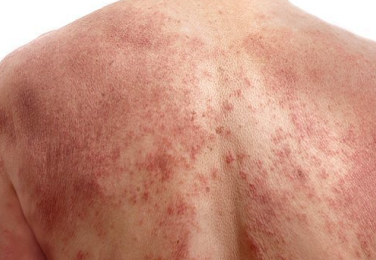
Red, blotchy rash on the back of a person indicating a possible allergic reaction or skin condition.

Comprehensive Care for Atopic Dermatitis

At Dr. S Z Jafrey Indore Chest & Allergy Center, we provide expert diagnosis and treatment for a wide range of allergic conditions, including Atopic Dermatitis. Our skilled team offers Itching and Rash Treatment in Indore, ensuring personalized care to help you effectively manage this chronic skin condition and enhance your overall quality of life.

Understanding Atopic Dermatitis

Atopic Dermatitis, also known as eczema, is a chronic inflammatory skin condition that results in dry, itchy, and inflamed skin. It often begins in childhood but can occur at any age.

Symptoms of Atopic Dermatitis:

Atopic dermatitis often begins with subtle signs, but the most common symptoms include persistent itching, dry skin, and red, inflamed patches that may worsen over time. These discomforts can interfere with daily life and sleep, making timely care essential. For individuals seeking relief, Itching And Rash Treatment In Indore and Skin Allergy Treatment In Indore play a vital role in managing these symptoms effectively and preventing flare-ups.

  • Dry, scaly skin
  • Red or brownish-gray patches
  • Intense itching, which may worsen at night
  • Small, raised bumps that may leak fluid and crust over when scratched
  • Thickened, cracked, or scaly skin
  • Raw, sensitive, or swollen skin from scratching

Common Triggers:

  • Allergens (e.g., pollen, dust mites, pet dander)
  • Irritants (e.g., soaps, detergents, fragrances)
  • Stress
  • Hormonal changes
  • Environmental factors (e.g., cold, dry air)
  • Certain foods (e.g., eggs, dairy, nuts)

Diagnosis and Treatment

At Dr. S Z Jafrey Indore Chest & Allergy Center, we use a comprehensive approach to diagnose and treat atopic dermatitis, focusing on alleviating symptoms and preventing flare-ups.
Diagnostic Process:

  • Patient History: Detailed discussion of symptoms, triggers, and medical history.
  • Physical Examination: Thorough examination of the skin to assess the extent and severity of the condition.
  • Allergy Testing: Skin prick tests or blood tests to identify specific allergens that may trigger flare-ups.

Treatment Options:

  1. Topical Medications:
    • Corticosteroids: To reduce inflammation and itching.
    • Calcineurin Inhibitors: For sensitive areas such as the face and eyelids.
  2. Moisturizers: Regular application to keep the skin hydrated and prevent dryness.
  3. Antihistamines: To reduce itching and improve sleep.
  4. Immunomodulatory Agents: For moderate to severe cases that do not respond to other treatments.
  5. Phototherapy: Controlled exposure to ultraviolet (UV) light to reduce inflammation and improve symptoms.
  6. Systemic Medications: For severe cases, oral or injectable medications may be prescribed to control inflammation.
  7. Lifestyle Modifications:
    • Avoiding Triggers: Identifying and avoiding known allergens and irritants.
    • Skin Care Routine: Using gentle, fragrance-free products and taking lukewarm baths or showers.