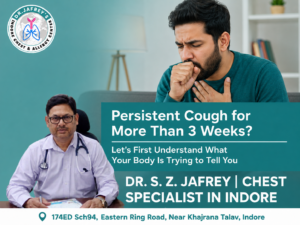
Lung Infection Treatment in Indore is important for people who develop a persistent cough, fever, chest discomfort, breathing difficulty, or unusual mucus production. A cough is often the body’s natural way of clearing irritants and mucus from the airways, but a persistent or worsening cough may sometimes indicate a lower respiratory infection such as bronchitis or pneumonia.
Many people wait for a cough to disappear on its own, especially when it initially resembles a common cold. However, symptoms such as shortness of breath, chest pain, high fever, coughing up blood, or worsening mucus production should not be ignored. Lung infections can range from mild to severe, depending on the cause, age, and overall health of the individual.
Dr. S. Z. Jafrey is an experienced Pulmonologist in Indore with more than 30 years of expertise in diagnosing and treating lung infections, asthma, COPD, allergies, and other respiratory disorders. His advanced training in respiratory medicine supports accurate evaluation of persistent cough and breathing-related symptoms.
What Is Lung Infection Treatment in Indore?
Lung Infection Treatment in Indore focuses on identifying the cause of infection, assessing its severity, and providing appropriate treatment to support recovery and prevent complications.
Lung infections may involve the airways or the lungs and can include conditions such as:
- Acute bronchitis
- Pneumonia
- Viral respiratory infections
- Bacterial lung infections
- Fungal lung infections in certain individuals
Pneumonia is an infection affecting one or both lungs and may cause inflammation and fluid or pus in the air sacs, making breathing more difficult.
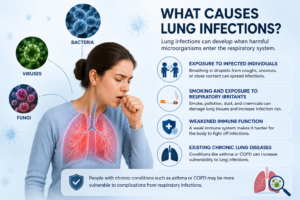
What Causes Lung Infections?
Lung infections can develop when harmful microorganisms enter the respiratory system. Common causes include:
- Bacteria
- Viruses
- Fungi
- Exposure to infected individuals
- Smoking and exposure to respiratory irritants
- Weakened immune function
- Existing chronic lung diseases
People with chronic conditions such as asthma or COPD may be more vulnerable to complications from respiratory infections.
When Does a Cough Need Medical Attention?
Not every cough requires immediate medical evaluation. A short-term cough associated with a mild respiratory infection may gradually improve. However, medical attention becomes more important when the cough is persistent, severe, or accompanied by other concerning symptoms.
Warning signs include:
- Difficulty breathing or shortness of breath
- Chest pain while breathing or coughing
- High fever or chills
- Cough producing significant mucus
- Yellow or green mucus with worsening symptoms
- Coughing up blood
- Severe weakness or fatigue
- Confusion or unusual drowsiness
- Symptoms that continue to worsen
A cough lasting longer than eight weeks should also be evaluated to determine its underlying cause.
Symptoms That May Require Lung Infection Treatment in Indore
The symptoms of a lung infection can vary depending on the type and severity of infection.
Common symptoms may include:
- Persistent cough
- Fever
- Chills
- Chest congestion
- Shortness of breath
- Rapid breathing
- Chest discomfort
- Fatigue
- Weakness
- Mucus or phlegm production
- Wheezing
- Reduced appetite
Some people, particularly older adults or individuals with other health conditions, may experience less typical symptoms.
Who Is at Higher Risk of Lung Infections?
Although lung infections can affect anyone, certain individuals have a higher risk of developing serious illness.
Risk factors may include:
- Older age
- Young children
- Smoking
- Chronic lung diseases such as asthma and COPD
- Diabetes
- Weakened immune system
- Certain chronic medical conditions
- Previous respiratory infections
People with underlying health conditions should pay close attention to new or worsening respiratory symptoms.
How Is Lung Infection Treatment in Indore Diagnosed?
A pulmonologist may use a combination of medical history, physical examination, and diagnostic tests to determine whether a cough is related to a lung infection.
Medical History and Physical Examination
The doctor may ask about the duration of the cough, fever, mucus production, breathing difficulty, chest pain, smoking history, previous infections, and existing respiratory conditions.
During examination, the lungs may be checked using a stethoscope to identify abnormal breathing sounds.
Chest X-Ray
A chest X-ray may be recommended when pneumonia or another significant lung condition is suspected. It can help identify areas of inflammation or infection in the lungs.
Blood Tests
Blood tests may help evaluate signs of infection and provide additional information about the patient’s condition.
Pulse Oximetry
Pulse oximetry measures blood oxygen levels. Reduced oxygen levels may indicate that a lung infection is affecting the body’s ability to receive adequate oxygen.
Sputum Examination
When a patient produces significant mucus, a sputum sample may sometimes be examined to help identify the cause of infection.
Lung Infection Treatment in Indore: Available Treatment Options
Treatment depends on the type of infection, its severity, and the patient’s overall health.
Possible treatment approaches may include:
- Antibiotics for appropriate bacterial infections
- Antiviral medicines in selected viral infections
- Antifungal medicines for certain fungal infections
- Medicines to manage fever and discomfort
- Adequate fluids and rest
- Oxygen therapy when medically required
- Treatment of underlying respiratory conditions
Antibiotics do not treat viral infections, so the cause of the infection should be evaluated before selecting treatment.
Severe infections may require hospital-based monitoring and treatment, particularly when breathing difficulties or low oxygen levels develop.

How Can You Support Lung Health During a Lung Infection?
Along with the treatment recommended by a healthcare professional, several healthy habits can support respiratory recovery.
Doctors may recommend:
- Get adequate rest.
- Drink sufficient fluids unless medically restricted.
- Avoid smoking and secondhand smoke.
- Avoid unnecessary exposure to dust, fumes, and other irritants.
- Take prescribed medicines as directed.
- Monitor worsening cough or breathing difficulty.
- Maintain good nutrition.
- Keep chronic conditions such as asthma and COPD under control.
- Follow recommended vaccinations where appropriate.
Keeping existing respiratory diseases well managed can also help reduce the risk of serious complications from respiratory infections.
Why Choose Dr. S. Z. Jafrey for Lung Infection Treatment in Indore?
Dr. S. Z. Jafrey is one of the leading Pulmonologists in Indore, with more than 30 years of experience in respiratory medicine. He specializes in the diagnosis and treatment of lung infections, asthma, COPD, allergies, sleep-related breathing disorders, and complex respiratory conditions.
His qualifications include:
- Advanced Allergy Training – University Klinikum Münster, Germany
- Advanced Bronchoscopy Training – American College of Chest Physicians (ACCP), USA
- Proficiency Certificate – Maryland University, USA
His experience in respiratory medicine helps in evaluating persistent cough, breathing difficulties, recurrent respiratory infections, and other symptoms that may require detailed pulmonary assessment.
Frequently Asked Questions About Lung Infection Treatment in Indore
1. What are the common symptoms of a lung infection?
Common symptoms may include persistent cough, fever, chills, chest discomfort, fatigue, mucus production, and difficulty breathing. Symptoms can vary depending on the type and severity of infection.
2. When should I see a doctor for a cough?
You should seek medical evaluation if your cough is worsening or accompanied by difficulty breathing, chest pain, high fever, coughing up blood, or significant mucus production. A cough lasting longer than eight weeks should also be evaluated.
3. Can a persistent cough indicate pneumonia?
Yes. Pneumonia can cause a persistent or worsening cough, often accompanied by fever, chills, chest pain, fatigue, or shortness of breath. However, these symptoms can occur in several respiratory conditions, so proper diagnosis is important.
4. How is Lung Infection Treatment in Indore diagnosed?
Diagnosis may include medical history, physical examination, chest X-ray, blood tests, pulse oximetry, sputum testing, and additional investigations when required.
5. Are antibiotics required for every lung infection?
No. Antibiotics work against bacterial infections but do not treat viral infections. The appropriate treatment depends on the identified or suspected cause of the infection.
6. Why choose Dr. S. Z. Jafrey for Lung Infection Treatment in Indore?
Dr. S. Z. Jafrey has more than 30 years of experience in respiratory medicine and specializes in diagnosing and managing lung infections and other respiratory conditions.
Conclusion – Lung Infection Treatment in Indore
A cough is often temporary, but a persistent or worsening cough can sometimes indicate a more significant respiratory problem. Symptoms such as high fever, chest pain, shortness of breath, coughing up blood, or worsening mucus should receive medical attention rather than being ignored.
Early evaluation can help identify conditions such as bronchitis, pneumonia, or other respiratory infections and determine the appropriate treatment. If a cough persists, becomes severe, or is accompanied by breathing difficulty or other concerning symptoms, seeking evaluation from an experienced pulmonologist can help protect lung health.
For further evaluation of persistent cough and respiratory symptoms, Lung Infection Treatment in Indore focuses on identifying the underlying cause and providing appropriate medical management.