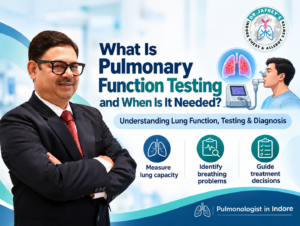
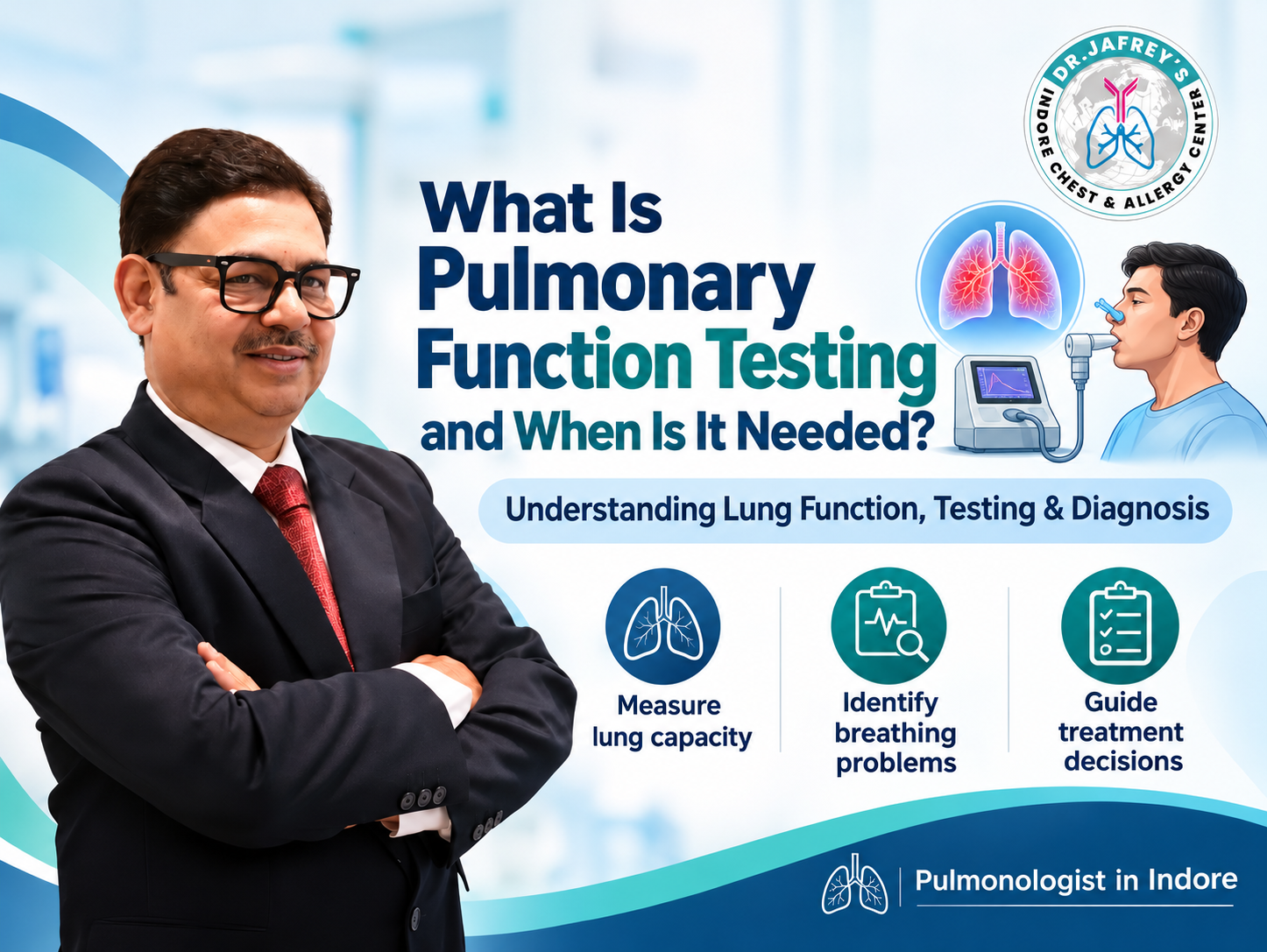
Pulmonary Function Testing in Indore is used to assess how well the lungs work, including how much air a person can inhale and exhale and how efficiently the lungs transfer oxygen into the blood. These tests help healthcare professionals evaluate breathing difficulties and identify or monitor respiratory conditions such as asthma, chronic obstructive pulmonary disease (COPD) and other lung disorders.
Understanding when Pulmonary Function Testing is needed can help people recognise the importance of investigating persistent respiratory symptoms. A doctor may recommend these tests for individuals experiencing breathlessness, ongoing cough, wheezing or reduced exercise tolerance. They may also be useful for monitoring existing lung conditions and assessing changes in respiratory function over time.
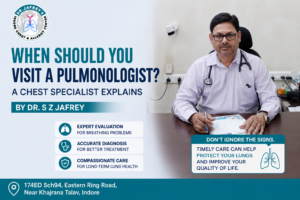
Dr. S.Z. Jafrey, Allergist and Pulmonologist at Dr. Jafrey’s Indore Chest & Allergy Centre, evaluates respiratory and allergy-related concerns. People searching for a Pulmonologist in Indore may benefit from medical assessment when breathing symptoms persist or interfere with everyday activities.
What Is Pulmonary Function Testing?
Pulmonary Function Testing (PFT) refers to a group of tests that measure how effectively the lungs function. These tests assess lung capacity, airflow and, when indicated, the ability of the lungs to transfer oxygen into the bloodstream.
Spirometry is one of the most commonly used pulmonary function tests. Other tests may include lung volume measurement, diffusion capacity testing and assessments of oxygen levels, depending on the patient’s symptoms and medical history.
The results help healthcare professionals understand whether breathing problems may be associated with airflow obstruction, restricted lung expansion or impaired gas exchange.
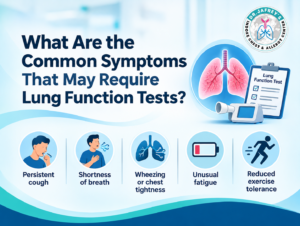
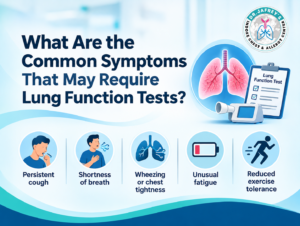
What Are the Common Symptoms That May Require Lung Function Tests?
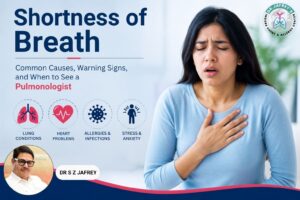
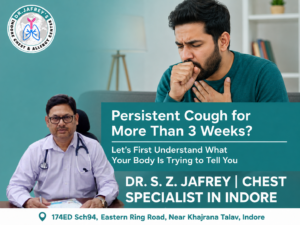
Pulmonary Function Testing may be recommended for people experiencing persistent breathlessness, recurrent wheezing, chronic cough, chest tightness or difficulty breathing during physical activity.
Other reasons for assessment may include unexplained fatigue during exercise, reduced tolerance for routine activities or symptoms that continue despite treatment for a known respiratory condition.
People with a history of smoking, occupational exposure to dust or chemicals, or an existing lung disorder may also require testing when clinically indicated. A medical evaluation helps determine whether pulmonary function tests are appropriate.
How Does Spirometry Measure Lung Function?
Spirometry measures how much air a person can exhale and how quickly they can breathe it out. During the test, the patient takes a deep breath and exhales forcefully into a mouthpiece connected to a spirometer.
Two important measurements are forced vital capacity (FVC), which represents the total amount of air forcibly exhaled after a deep breath, and forced expiratory volume in one second (FEV1), which measures how much air is exhaled during the first second.
The relationship between these measurements helps clinicians identify airflow obstruction and assess whether additional testing may be needed.
How Is Pulmonary Function Testing Performed?
Pulmonary Function Testing in Indore may involve spirometry, lung volume measurements or diffusion capacity testing, depending on the clinical requirement.
Before the test, the healthcare professional may ask about symptoms, current medicines, smoking history and previous respiratory conditions. The patient may need to follow specific instructions about inhalers, smoking or meals before testing. Prescribed medicines should not be stopped unless the healthcare professional advises it.
During spirometry, the patient breathes through a mouthpiece while following instructions from the technician. Some tests require breathing in a special gas mixture or sitting inside a specialised chamber to measure lung volumes.
Most routine tests are non-invasive, and the duration depends on the type of assessment required.
When Is Pulmonary Function Testing Needed?
Pulmonary Function Testing may be advised when a person has unexplained or persistent breathing symptoms. It can help evaluate suspected asthma, COPD and other respiratory conditions.
Doctors may also recommend testing to monitor the progression of a diagnosed lung disease, assess the response to treatment or investigate symptoms that do not have an obvious cause.
In selected cases, lung function measurements are used before certain surgeries or when evaluating the effects of occupational exposure. The decision depends on the person’s medical history, symptoms and examination findings.
What Conditions Can Pulmonary Function Tests Help Identify?
Pulmonary function tests can help assess respiratory conditions that affect airflow, lung volume or the transfer of oxygen.
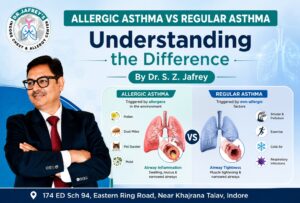
These tests are commonly used in the evaluation of asthma and chronic obstructive pulmonary disease. They may also support the assessment of restrictive lung disorders, including some interstitial lung diseases, and help monitor respiratory changes associated with certain neuromuscular conditions.
PFT results alone do not always establish a diagnosis. Healthcare professionals interpret them alongside symptoms, physical examination findings, imaging and other investigations when necessary.
How Are Pulmonary Function Test Results Interpreted?
Pulmonary function test results are compared with reference values that account for factors such as age, height and sex. The interpretation also considers the quality of the test and the patient’s clinical history.
Reduced airflow may suggest an obstructive pattern, which can occur in asthma or COPD. Reduced lung volumes may indicate a restrictive pattern, although additional measurements may be needed to confirm it.
A low diffusion capacity can suggest impaired gas transfer, but several conditions can cause this finding. A pulmonologist interprets the results in context and determines whether further investigation or treatment is required.
Why Consult Dr. S.Z. Jafrey?
Dr. S.Z. Jafrey is an Allergist and Pulmonologist at Dr. Jafrey’s Indore Chest & Allergy Centre. His specialisation is relevant to patients experiencing persistent cough, wheezing, breathlessness and other respiratory or allergy-related concerns.
People searching for Lung Function Test in Indore may discuss their symptoms, previous test reports, medication history and relevant exposure to smoke or dust with a qualified healthcare professional. The need for pulmonary function testing depends on the clinical assessment and suspected condition.
FAQs: Pulmonary Function Testing in Indore
1. Who is the best chest specialist doctor in Indore?
Dr. S.Z. Jafrey is an Allergist and Pulmonologist at Dr. Jafrey’s Indore Chest & Allergy Centre. Patients experiencing persistent cough, wheezing, breathlessness or other respiratory concerns can consult a qualified specialist for medical evaluation.
2. What conditions do pulmonologists treat?
Pulmonologists diagnose and manage respiratory conditions such as asthma, COPD, pneumonia, bronchitis, lung infections, sleep-related breathing disorders and other lung diseases. They may recommend pulmonary function testing to assess breathing problems and monitor lung function.
3. Which hospital is best for pulmonary treatment in Indore?
The right hospital or respiratory care centre depends on the patient’s diagnosis and treatment needs. Dr. Jafrey’s Indore Chest & Allergy Centre evaluates respiratory and allergy-related concerns. Patients should choose a facility appropriate for their medical requirements.
4. Which doctor is best for lungs?
A pulmonologist specialises in diagnosing and managing lung and respiratory diseases. Dr. S.Z. Jafrey, Pulmonologist in Indore, evaluates symptoms such as persistent cough, wheezing and breathlessness and can determine whether lung function testing is appropriate.
5. What is pulmonary function testing used for?
Pulmonary function testing measures how well the lungs work, including airflow, lung capacity and, in selected tests, oxygen transfer. It helps healthcare professionals evaluate suspected respiratory conditions and monitor changes in lung function.
6. When is a pulmonary function test needed?
A doctor may recommend pulmonary function testing for persistent breathlessness, chronic cough, wheezing, chest tightness or reduced exercise tolerance. It may also help assess suspected asthma, COPD and other respiratory conditions.
7. Can pulmonary function testing detect asthma?
Pulmonary function testing can help identify airflow obstruction associated with asthma. Spirometry may be performed before and after a bronchodilator to assess changes in airflow. Additional testing may be needed if symptoms persist despite normal results.
8. Is pulmonary function testing safe?
Pulmonary function testing is generally safe and non-invasive. Some people may experience temporary coughing, dizziness or fatigue during forceful breathing. Inform your healthcare professional about existing medical conditions before the test.
9. How long does a pulmonary function test take?
A routine spirometry test generally takes around 15–30 minutes. Complete pulmonary function testing may take longer if lung volume measurements or diffusion capacity assessments are required. The duration depends on the tests recommended.
10. Where can I consult a pulmonologist for lung function testing in Indore?
Patients experiencing persistent cough, wheezing or breathing difficulties can consult Dr. S.Z. Jafrey at Dr. Jafrey’s Indore Chest & Allergy Centre. A medical assessment can help determine whether pulmonary function testing or other investigations are needed.
Conclusion – Pulmonologist in Indore
Pulmonary Function Testing helps evaluate lung capacity, airflow and respiratory function. It is useful in investigating persistent breathing symptoms, assessing conditions such as asthma and COPD, and monitoring lung health when clinically indicated.
Understanding when testing is needed can support timely evaluation and appropriate treatment decisions. Dr. S.Z. Jafrey, Allergist and Pulmonologist at Dr. Jafrey’s Indore Chest & Allergy Centre, evaluates respiratory concerns. Individuals experiencing persistent or worsening breathing symptoms should seek medical assessment rather than relying on self-medication.