Shortness of Breath Treatment in Indore is important for individuals who experience difficulty breathing during daily activities, exercise, or even at rest. Medically known as dyspnea, shortness of breath is a symptom rather than a disease and may be caused by conditions affecting the lungs, heart, or other parts of the body.
Occasional breathlessness after strenuous exercise may be normal. However, persistent or unexplained breathing difficulty should not be ignored. Early diagnosis and proper treatment can help identify the underlying cause and prevent serious complications.
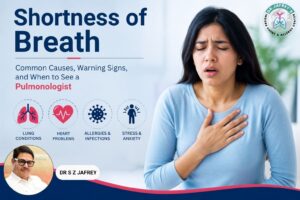
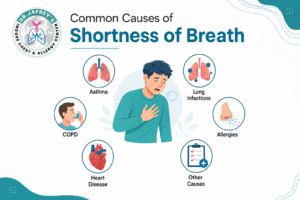
Common causes of breathlessness include asthma, COPD, lung infections, allergies, interstitial lung disease, heart disease, obesity, anemia, sleep apnea, and anxiety.
Dr. S. Z. Jafrey is an experienced Pulmonologist in Indore with over 30 years of expertise in treating asthma, allergies, lung diseases, and respiratory disorders. He has received advanced allergy training from University Klinikum Münster, Germany, and specialized training in advanced bronchoscopy.
What Is Shortness of Breath?
Shortness of breath, also called dyspnea, is the feeling of not getting enough air or having difficulty breathing comfortably. It may feel like chest tightness, heavy breathing, air hunger, or difficulty taking a deep breath.
Breathlessness may occur:
- During exercise
- While climbing stairs
- During daily activities
- While lying down
- Even at rest in severe cases
Persistent symptoms should be evaluated by a qualified Chest Specialist in Indore.
Common Causes of Shortness of Breath
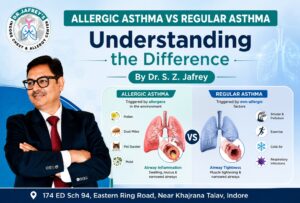
Asthma
Asthma causes inflammation and narrowing of the airways, making it difficult to breathe. Common symptoms include:
- Wheezing
- Coughing
- Chest tightness
- Breathlessness
An experienced Asthma Specialist in Indore can diagnose asthma through clinical evaluation and lung function tests.
COPD
Chronic Obstructive Pulmonary Disease (COPD) causes long-term airway narrowing and lung damage. Patients may experience chronic cough, excess mucus, wheezing, reduced exercise tolerance, and progressive breathlessness.
Early treatment can help control symptoms and improve quality of life.
Lung Infections
Pneumonia, bronchitis, and other respiratory infections can affect the lungs and cause breathing difficulty. Symptoms may include fever, cough, chest pain, fatigue, and breathlessness.
Allergies
Allergies can trigger airway inflammation and breathing problems, particularly in people with asthma. Common triggers include dust mites, pollen, mold, pet dander, smoke, air pollution, and occupational allergens.
Identifying and avoiding triggers can help reduce recurrent symptoms.
Heart Disease
Some heart conditions can also cause breathlessness, especially during physical activity or while lying flat. Breathlessness related to heart problems should always be medically evaluated.
Other Causes
Other possible causes include:
- Interstitial Lung Disease
- Pulmonary fibrosis
- Pulmonary embolism
- Obesity
- Anemia
- Anxiety and panic attacks
- Sleep apnea
- Pleural effusion
- Respiratory muscle weakness
Because several conditions can cause similar symptoms, accurate diagnosis is important.
Warning Signs That Should Not Be Ignored
Seek immediate medical attention if you experience:
- Sudden severe breathing difficulty
- Breathlessness at rest
- Chest pain
- Bluish lips or fingertips
- Severe or persistent wheezing
- High fever with breathing difficulty
- Coughing up blood
- Severe dizziness or confusion
- Rapidly worsening breathing
- Difficulty speaking due to breathlessness
These symptoms may indicate a serious medical emergency.
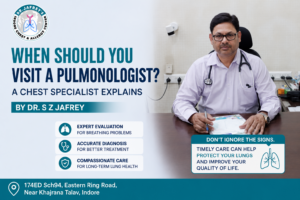
When Should You See a Pulmonologist?
You should consult a Pulmonologist in Indore if:
- Breathlessness continues for several days
- Symptoms keep returning
- Breathing difficulty is getting worse
- You experience frequent wheezing
- You have a persistent cough
- Chest infections occur repeatedly
- Daily activities become difficult
- Asthma symptoms remain uncontrolled
- Existing lung disease worsens
Early consultation can help identify the underlying cause and prevent complications.
How Is Shortness of Breath Diagnosed?
A detailed evaluation helps determine the cause of breathing difficulty. Depending on the symptoms, diagnosis may include:
Medical History and Physical Examination
The doctor may review your symptoms, smoking history, allergies, occupational exposure, medications, and previous medical conditions.
Pulmonary Function Tests
PFTs help evaluate lung capacity, airflow, and breathing efficiency. They are commonly used to diagnose asthma, COPD, and other respiratory conditions.
Imaging Tests
Depending on the condition, the doctor may recommend:
- Chest X-ray
- HRCT Chest
- CT Scan
- Ultrasound in selected cases
Laboratory Tests
Blood tests may include CBC, allergy testing, infection markers, and arterial blood gas analysis when required.
Shortness of Breath Treatment in Indore
Treatment depends on the underlying cause of breathlessness. The main aim of treatment is to improve breathing, control symptoms, manage the underlying condition, and prevent future complications.
Medications
Depending on the diagnosis, treatment may include medicines to:
- Open narrowed airways
- Reduce inflammation
- Control allergies
- Treat infections
- Reduce excessive mucus
- Manage chronic lung diseases
Inhalation Therapy
Inhalers are commonly used for asthma and COPD. They help relax airway muscles, reduce inflammation, improve airflow, and prevent breathing attacks.
Correct inhaler technique is important for effective treatment.
Allergy Management
Patients with allergy-related breathing problems may benefit from allergy testing, allergen avoidance, environmental control, medical treatment, and immunotherapy in selected cases.
Pulmonary Rehabilitation
Pulmonary rehabilitation may include breathing exercises, physical conditioning, nutritional advice, lifestyle counselling, and education about lung health.
It can help improve exercise tolerance and quality of life in patients with chronic lung diseases.
Oxygen Therapy
Patients with significantly low oxygen levels may require oxygen therapy. It should only be used after proper medical evaluation and recommendation.
Lifestyle Changes to Improve Breathing
Along with medical treatment, the following habits can support better respiratory health:
- Stop smoking and avoid second-hand smoke.
- Avoid dust, smoke, and air pollution.
- Exercise according to your doctor’s advice.
- Maintain a healthy weight.
- Stay hydrated.
- Eat a balanced diet.
- Practise recommended breathing exercises.
- Follow vaccination recommendations.
- Take prescribed medicines regularly.
- Manage stress effectively.
Can Shortness of Breath Be Prevented?
Not all causes of breathlessness can be prevented, but the risk can often be reduced by:
- Avoiding tobacco products
- Controlling asthma and allergies
- Treating respiratory infections promptly
- Using protection in dusty environments
- Maintaining good indoor air quality
- Staying physically active
- Following prescribed treatment
- Attending regular medical check-ups
Why Choose Dr. S. Z. Jafrey for Respiratory Care?
Dr. S. Z. Jafrey is a highly experienced Pulmonologist in Indore with more than 30 years of experience in asthma, allergies, lung diseases, and respiratory medicine.
His advanced allergy training at University Klinikum Münster, Germany, and specialized training in advanced bronchoscopy support his expertise in managing both common and complex respiratory conditions.
His recognitions include:
- Most Inspiring Pulmonologist in India – Economic Times, 2019
- Certificate of Excellence – Dainik Bhaskar, 2018
- Excellence Award in Allergy & Chest Diseases – My FM, 2017
- Outstanding Work Recognition – Prajatantra First Print News Daily, 2019
- Inspiring Chest Specialist of India – Times Now, 2024
He is also associated with several national and international respiratory organisations, including the American College of Chest Physicians, American Thoracic Society, European Respiratory Society, World Allergy Organization, British Thoracic Society, and Indian Chest Society.
His patient-centred approach and evidence-based treatment make him a trusted choice for individuals seeking Shortness of Breath Treatment in Indore.
Why Is Early Diagnosis Important?
Persistent breathing difficulty may be the first sign of a serious medical condition. Early diagnosis can help:
- Identify the underlying cause
- Start treatment at the right time
- Control symptoms
- Prevent disease progression
- Reduce the risk of hospitalization
- Improve quality of life
If you have persistent cough, wheezing, recurrent chest infections, or ongoing breathlessness, consult a qualified Lung Specialist in Indore.
Conclusion – Breath Treatment in Indore
Shortness of breath can occur due to asthma, COPD, allergies, lung infections, heart disease, anemia, obesity, and several other conditions. While temporary breathlessness after intense physical activity may be normal, persistent or unexplained breathing difficulty should not be ignored.
Timely Shortness of Breath Treatment in Indore can help identify the underlying cause, improve breathing, and reduce the risk of complications. Consulting an experienced Pulmonologist in Indore can help ensure accurate diagnosis and personalised treatment.
Call to Action
If you are experiencing persistent breathlessness, wheezing, chronic cough, or recurring respiratory problems, consult Dr. S. Z. Jafrey, an experienced Pulmonologist in Indore. With over 30 years of experience in asthma, allergies, and lung diseases, he provides personalised, evidence-based care to help patients breathe better and improve their quality of life.
Frequently Asked Questions – Breath Treatment in Indore
1. What are the common causes of shortness of breath?
Common causes include asthma, COPD, lung infections, allergies, heart disease, obesity, anemia, and anxiety.
2. When should I see a pulmonologist for breathlessness?
Consult a pulmonologist if breathlessness persists, worsens, occurs at rest, is associated with chest pain or wheezing, or interferes with daily activities.
3. Can allergies cause shortness of breath?
Yes. Allergies can cause airway inflammation and breathing difficulty, especially in people with asthma.
4. What tests are used to diagnose breathing problems?
Doctors may recommend pulmonary function tests, chest X-rays, CT scans, blood tests, allergy testing, oxygen assessment, and bronchoscopy when required.
5. Can asthma cause persistent breathlessness?
Yes. Poorly controlled asthma can cause repeated breathlessness, wheezing, coughing, and chest tightness.
6. Is shortness of breath always related to lung disease?
No. Heart disease, anemia, obesity, anxiety, and other medical conditions can also cause breathlessness.
7. Why choose Dr. S. Z. Jafrey for Shortness of Breath Treatment in Indore?
Dr. S. Z. Jafrey has over 30 years of experience in respiratory medicine, advanced international training in allergy and bronchoscopy, and expertise in managing asthma, COPD, allergies, and complex lung diseases.