Recognising the symptoms and understanding the underlying cause are important steps towards appropriate care. A Chest Specialist in Indore can evaluate recurring chest infections and recommend suitable investigations.
Do you experience repeated chest infections, a persistent cough or regular production of mucus? Do your respiratory symptoms improve after treatment but return after a few weeks or months? While occasional respiratory infections are common, repeated episodes may indicate an underlying lung condition that needs medical attention.
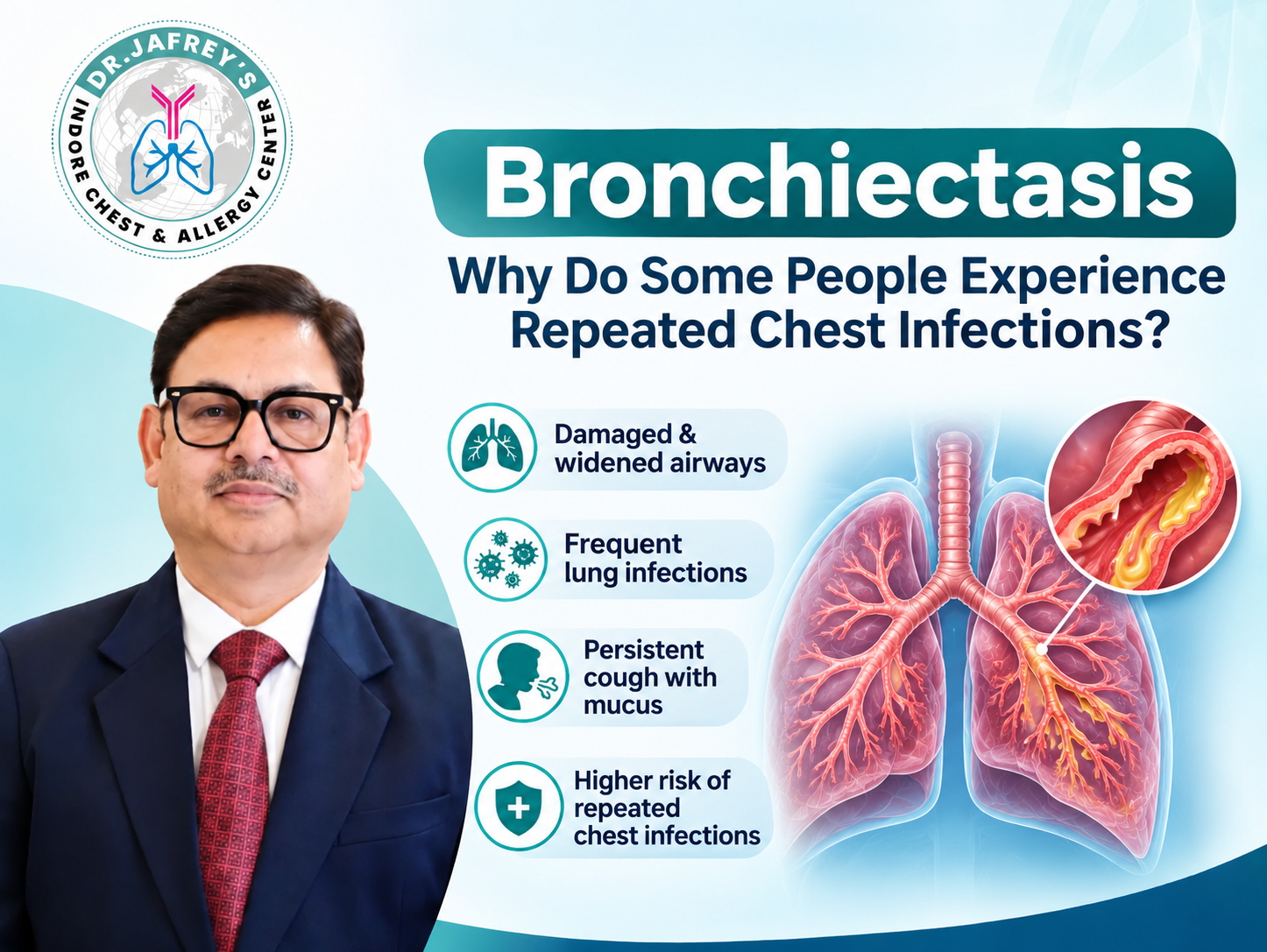
One possible cause is bronchiectasis, a chronic respiratory condition in which the airways become permanently widened and damaged. This damage can make it difficult for the lungs to clear mucus effectively. As mucus collects inside the airways, bacteria may grow and increase the risk of repeated infections.
At Dr. Jafrey’s Indore Chest & Allergy Center, Dr. S Z Jafrey focuses on assessing respiratory concerns and helping patients understand their lung health.
What Is Bronchiectasis and How Does It Affect the Lungs? Guidance from a Chest Specialist in Indore
Bronchiectasis is a long-term lung condition in which one or more airways become abnormally widened due to damage to their walls. Normally, the airways produce mucus that traps dust, germs and other particles. Tiny hair-like structures called cilia help move this mucus towards the throat, where it can be cleared.
In bronchiectasis, damage to the airway walls and mucus-clearing system can interfere with this natural process. Mucus may collect inside the widened airways, creating an environment where bacteria can multiply. This can lead to repeated respiratory infections, ongoing inflammation and further airway damage. A Pulmonologist in Indore can help assess whether recurring respiratory symptoms may be associated with bronchiectasis or another lung condition.
Why Bronchiectasis Causes Repeated Chest Infections and Requires Bronchiectasis Treatment in Indore
Repeated chest infections are one of the important features of bronchiectasis. The condition can create a cycle involving mucus accumulation, bacterial growth, infection and airway inflammation.
Mucus Accumulation and Bronchiectasis Treatment in Indore
Healthy airways continuously clear mucus to remove unwanted particles and microorganisms. When the airways are damaged, mucus may become difficult to remove. The collected mucus can remain inside the widened airways and provide an environment where bacteria can grow.
Bacterial Growth and Guidance from a Bronchiectasis Specialist in Indore
When mucus stays inside the airways for longer periods, bacteria may multiply and contribute to respiratory infections.
These infections can cause increased coughing, changes in mucus production and worsening breathlessness.
Repeated Inflammation and Advice from a Pulmonologist in Indore
Infections can trigger inflammation in the airway walls. Over time, repeated inflammation may contribute to further airway damage.
This can make mucus clearance more difficult and increase the likelihood of future infections.
The Infection Cycle and the Role of a Chest Specialist in Indore
The process may follow this pattern:
- Damage to the airway walls affects normal mucus clearance.
- Mucus collects inside the widened airways.
- Bacteria may grow within the accumulated mucus.
- Infection triggers further inflammation.
- Additional airway damage can make mucus clearance even more difficult.
Breaking this cycle through appropriate medical management is an important part of bronchiectasis care.
Common Symptoms of Bronchiectasis and When to Seek Treatment in Indore
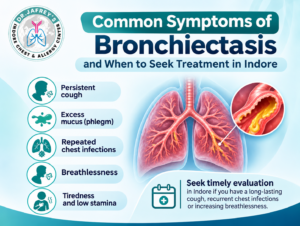
Bronchiectasis symptoms can vary depending on the extent of airway damage and the presence of infection.
Persistent Cough and Guidance from a Pulmonologist in Indore
A long-lasting cough is one of the common symptoms. It may occur daily and can become more noticeable in the morning or when mucus collects in the airways.
Coughing Up Mucus and Bronchiectasis Specialist in Indore
People with bronchiectasis may produce mucus regularly. The amount, thickness and colour can vary.
An increase in mucus or a noticeable change in its appearance may indicate an infection or worsening symptoms and should be medically assessed.
Repeated Chest Infections and Bronchiectasis Treatment in Indore
Frequent episodes of chest infections may be a warning sign, particularly when they occur alongside a persistent productive cough.
Repeated antibiotic treatment without investigating the underlying reason may leave the main respiratory problem unaddressed.
Breathlessness and Evaluation by a Chest Specialist in Indore
Some individuals experience breathlessness during physical activity. This may become more noticeable during respiratory infections or when the condition is more advanced.
Wheezing and Chest Discomfort: When to Consult a Pulmonologist in Indore
Narrowed or inflamed airways may cause wheezing or a feeling of chest discomfort.
Blood in Sputum and Bronchiectasis Treatment in Indore
Some people may notice blood-streaked mucus, a symptom known as haemoptysis. It can occur in bronchiectasis but may also indicate other conditions.
Coughing up blood should always be medically evaluated. Significant or ongoing bleeding, especially with breathing difficulty or chest pain, requires urgent medical attention.
Causes and Risk Factors That May Require Bronchiectasis Treatment in Indore
Bronchiectasis can develop due to several underlying conditions. In some people, the exact cause cannot be identified.
Previous Severe Lung Infections and Bronchiectasis Specialist in Indore
Severe respiratory infections, including certain cases of pneumonia or tuberculosis, can damage the airways and contribute to bronchiectasis.
Tuberculosis and Other Respiratory Conditions: Advice from a Pulmonologist in Indore
Previous tuberculosis and certain other lung infections may leave lasting airway damage. People with a history of repeated or severe lung infections may require further respiratory evaluation if symptoms continue.
Immune System Disorders and Guidance from a Chest Specialist in Indore
Certain immune system problems can make a person more vulnerable to repeated infections. Frequent respiratory infections may sometimes be associated with an underlying immune deficiency.
Allergic Bronchopulmonary Aspergillosis and Bronchiectasis Treatment in Indore
Allergic bronchopulmonary aspergillosis (ABPA) is an allergic reaction to the fungus Aspergillus that can affect the lungs, particularly in some people with asthma or cystic fibrosis.
It can contribute to airway inflammation and bronchiectasis.
Genetic and Inherited Conditions: Bronchiectasis Specialist in Indore
Certain inherited conditions, such as cystic fibrosis and primary ciliary dyskinesia, can affect mucus clearance and increase the risk of developing bronchiectasis.
Airway Blockage and Other Causes: Evaluation by a Pulmonologist in Indore
In some cases, a foreign object, growth or other obstruction may interfere with normal mucus clearance and contribute to localised bronchiectasis.
A Pulmonologist in Indore can assess medical history and recommend investigations to help identify possible causes.
Bronchiectasis Diagnosis and the Role of a Chest Specialist in Indore
Bronchiectasis cannot be confirmed through symptoms alone. A proper diagnosis requires clinical evaluation and appropriate investigations.
High-Resolution CT Scan and Bronchiectasis Treatment in Indore
A high-resolution computed tomography (HRCT) scan of the chest is the main imaging investigation used to confirm bronchiectasis. It provides detailed images of the lungs and helps identify widened airways and other structural changes.
Sputum Culture Test and Guidance from a Bronchiectasis Specialist in Indore
A sputum culture examines mucus coughed up from the lungs to identify bacteria or other microorganisms that may be causing infection. The results can help doctors select suitable antibiotics when a bacterial infection is present.
Pulmonary Function Test and Assessment by a Pulmonologist in Indore
A pulmonary function test, including spirometry, may be recommended to assess lung function and identify airflow obstruction. It can also help doctors understand how the condition is affecting breathing.
Blood Tests and Other Investigations: Advice from a Chest Specialist in Indore
Depending on the patient’s medical history and symptoms, blood tests may be recommended to investigate possible underlying causes, including immune deficiencies or allergic conditions. Not every patient requires every investigation. The choice depends on clinical findings and individual needs.
Bronchiectasis Management and Treatment Options in Indore
Bronchiectasis is generally a chronic condition, and treatment focuses on controlling symptoms, improving mucus clearance, treating infections and reducing further complications.
The treatment plan depends on the underlying cause, severity of the condition and frequency of infections.
Airway Clearance Techniques and Bronchiectasis Treatment in Indore
Airway clearance techniques help remove collected mucus from the lungs. These may include breathing exercises, controlled coughing and specialised airway clearance methods. A respiratory physiotherapist or healthcare professional can help patients learn techniques suitable for their condition.
Antibiotics for Respiratory Infections and Guidance from a Pulmonologist in Indore
When a bacterial infection occurs, a doctor may prescribe antibiotics based on the symptoms, clinical assessment and sputum culture results. Some people with frequent exacerbations may require a longer-term preventive treatment plan under specialist supervision. Antibiotics should never be started or repeated without medical advice.
Inhaled Medicines and Bronchiectasis Specialist in Indore
Certain patients may benefit from inhaled medicines, depending on associated conditions such as asthma or airflow obstruction. Inhaled treatment is not automatically required for everyone with bronchiectasis. The doctor determines its suitability based on individual findings.
Pulmonary Rehabilitation and Advice from a Chest Specialist in Indore
Pulmonary rehabilitation may include supervised physical activity, breathing techniques and education about managing respiratory symptoms. It can help suitable patients improve exercise tolerance and manage daily activities.
Treating the Underlying Cause with a Pulmonologist in Indore
When bronchiectasis is associated with an identifiable condition, treating that condition is also important. For example, management may involve addressing immune deficiencies, ABPA or other associated respiratory problems.
Everyday Habits That Support Bronchiectasis Management and Respiratory Health
Along with medical treatment, certain everyday measures may help people manage their respiratory health.
Following Airway Clearance Advice from a Pulmonologist in Indore
Practise the airway clearance techniques recommended by your healthcare professional. Regular and correct practice can help remove collected mucus.
Avoiding Smoke and Respiratory Irritants During Bronchiectasis Treatment in Indore
Avoid smoking and second-hand smoke. Reduce exposure to dust, pollution and chemical fumes whenever possible.
Staying Physically Active with Guidance from a Chest Specialist in Indore
Suitable physical activity may support general fitness and help maintain exercise capacity. The level of activity should be adjusted according to individual health and symptoms.
Maintaining Good Hydration and Respiratory Health
Drinking adequate fluids can support normal body functions and may help maintain mucus hydration. Fluid intake should follow medical advice, particularly for people with heart or kidney conditions that require fluid restrictions.
Staying Up to Date with Recommended Vaccinations and Bronchiectasis Care
Respiratory infections can worsen bronchiectasis symptoms. A doctor may recommend vaccinations such as influenza and pneumococcal vaccines, depending on age, medical history and current guidelines.
Bronchiectasis Flare-Ups and Warning Signs Requiring a Chest Specialist in Indore
A flare-up, also known as an exacerbation, occurs when respiratory symptoms become noticeably worse than usual.
Possible warning signs include:
- Increased coughing
- Greater amounts of mucus
- Changes in mucus colour or thickness
- Increased breathlessness
- More frequent wheezing
- Fever or feeling unusually unwell
- Reduced ability to perform routine activities
- Increased fatigue
These symptoms may indicate an infection or worsening respiratory condition.
Dr. S Z Jafrey recommends that recurring or worsening respiratory symptoms be evaluated rather than managed through repeated self-medication. Severe breathlessness, significant coughing up of blood, chest pain, bluish lips or confusion require urgent medical attention.
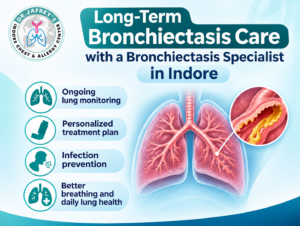
Long-Term Bronchiectasis Care with a Bronchiectasis Specialist in Indore
Bronchiectasis requires ongoing attention because airway damage is generally permanent. However, appropriate management can help many patients control symptoms and reduce the frequency of exacerbations.
Long-term care may involve:
- Following the prescribed airway clearance routine
- Attending regular medical follow-ups
- Treating respiratory infections promptly
- Monitoring changes in cough and mucus production
- Following vaccination recommendations
- Managing associated medical conditions
- Avoiding smoking and harmful environmental exposures
A Pulmonologist in Indore can help develop an individualised management plan and monitor changes in respiratory health over time.
Professional Respiratory Evaluation at Dr. Jafrey’s Indore Chest & Allergy Center
Repeated chest infections should not always be treated as isolated episodes, especially when they occur alongside a persistent cough and regular mucus production. Understanding the underlying cause can help guide appropriate investigations and long-term respiratory care.
Dr. S Z Jafrey focuses on evaluating respiratory symptoms and identifying suitable next steps based on individual clinical needs. At Dr. Jafrey’s Indore Chest & Allergy Center, patients can seek guidance for recurring respiratory concerns and discuss appropriate investigations and management options. A Chest Specialist in Indore or Pulmonologist in Indore can help determine whether symptoms are associated with bronchiectasis, another lung condition or an underlying medical problem.
Frequently Asked Questions About Bronchiectasis Treatment in Indore
1 Why Do Some People Get Repeated Chest Infections Due to Bronchiectasis?
Bronchiectasis damages and widens the airways, making it harder to clear mucus. Collected mucus can allow bacteria to grow, increasing the risk of repeated infections. A Pulmonologist in Indore can help evaluate recurring chest infections and identify possible underlying causes.
2 What Are the Early Symptoms of Bronchiectasis and When Should I See a Bronchiectasis Specialist in Indore?
Common symptoms include a persistent cough, regular mucus production, breathlessness and repeated chest infections. If these symptoms continue or return frequently, a Bronchiectasis Specialist in Indore can assess whether further investigations are needed.
3 Can Bronchiectasis Be Completely Cured with Bronchiectasis Treatment in Indore?
Bronchiectasis usually involves permanent changes to the airway walls and cannot generally be reversed. However, appropriate management can help control symptoms, improve mucus clearance and reduce respiratory infections.
4 Which Test Confirms Bronchiectasis and Who Can Evaluate the Results?
A high-resolution CT scan (HRCT) of the chest is the main investigation used to confirm bronchiectasis. A Chest Specialist in Indore may also recommend sputum culture, spirometry and blood tests to assess infections, lung function and possible underlying causes.
5 Does Bronchiectasis Always Cause a Persistent Cough?
No. Symptoms vary between individuals. However, a persistent cough with regular mucus production is common. A Pulmonologist in Indore can evaluate ongoing cough and determine whether it may be related to bronchiectasis or another respiratory condition.
6 Can Previous Tuberculosis Lead to Bronchiectasis?
Yes. Previous tuberculosis can sometimes cause lasting damage to the airways and lung tissue, which may contribute to bronchiectasis. People with a history of tuberculosis and recurring chest infections may benefit from an assessment by a Bronchiectasis Specialist in Indore.
7 How Is Mucus Cleared During Bronchiectasis Treatment in Indore?
Airway clearance techniques, breathing exercises and controlled coughing can help remove mucus from the airways. A healthcare professional or respiratory physiotherapist can demonstrate suitable techniques based on individual needs.
8 Is Bronchiectasis the Same as COPD? Advice from a Pulmonologist in Indore
No. Bronchiectasis involves permanent widening and damage of the airways, while COPD is characterised by persistent airflow limitation. Some people may have both conditions. A Pulmonologist in Indore can help distinguish between them through clinical evaluation and appropriate testing.
9 Can Bronchiectasis Cause Blood in Cough or Sputum?
Yes. Some people with bronchiectasis may cough up blood or notice blood-streaked mucus. However, this symptom can have several causes and should always be medically evaluated. Significant or ongoing bleeding requires urgent medical attention from a Chest Specialist in Indore or emergency service.
10 How Often Should Someone with Bronchiectasis Visit a Pulmonologist in Indore?
Follow-up frequency depends on symptom severity, infection history, lung function and treatment needs. Regular reviews help monitor respiratory health and adjust the management plan when necessary. Your Pulmonologist in Indore can recommend an appropriate follow-up schedule.
Conclusion: Taking Repeated Chest Infections Seriously with Bronchiectasis Treatment in Indore
Repeated chest infections, persistent coughing and regular mucus production may sometimes indicate bronchiectasis. This condition affects the airways and interferes with the normal removal of mucus, which can increase the risk of recurring infections.
Although bronchiectasis involves permanent airway changes, appropriate medical management can help control symptoms, improve mucus clearance and reduce the risk of further complications. If you experience frequent chest infections or a cough that does not go away, consider seeking a professional respiratory evaluation. Dr. S Z Jafrey at Dr. Jafrey’s Indore Chest & Allergy Center can help assess your symptoms and guide you towards appropriate care.